Leak Detector vs Plumber: Who Should You Call First?
Two Different Jobs That People Confuse All the Time
When you find water where it should not be, the instinct is to call a plumber. That makes sense. Plumbers fix pipes. But if the source of the leak is not obvious, calling a plumber first may not get you to an answer any faster. In some cases, it slows things down.
A leak detector and a plumber do different things. One finds the problem. The other fixes it. Understanding the difference helps you make the right call first, which saves time, money, and further damage to your home.
What a Plumber Does
A plumber installs, repairs, and replaces pipes, fixtures, and water-related systems. When a pipe is visibly broken, when a fixture is leaking, or when you need a new water heater or drain line installed, a plumber is who you call.
Plumbers are trained to work on the plumbing system once they know where the problem is. They can replace a section of corroded pipe, reseat a toilet that is leaking at the base, fix a supply line under a sink, or repipe an entire home. The work they do is skilled and essential.
What most plumbers are not trained or equipped to do is find a leak that is not visible. If you tell a plumber your floor is wet but you do not know where the water is coming from, most plumbers will do a visual inspection and give you their best guess. Some may cut into walls or floors to look. Without specialized detection equipment, finding a hidden leak is guesswork.
What a Leak Detector Does
A leak detection specialist is focused entirely on locating leaks that are not visible. This is a diagnostic role, not a repair role. The goal is to find the exact location of a hidden leak using non-invasive tools before anything is opened up.
The tools leak detectors use include acoustic listening devices that pick up the sound of pressurized water escaping a pipe through concrete or soil, thermal imaging cameras that detect temperature differences caused by a leaking hot water line, and moisture meters that measure water content in floors and walls without drilling. These tools let a technician pinpoint a leak to within a few inches before a single tile is removed or a single wall is cut.
After locating the leak, a leak detector gives you a report: here is where the problem is, here is the type of leak, and here are your repair options. The actual repair is then done by a plumber, either the same company or one you hire separately.
When to Call a Leak Detector First
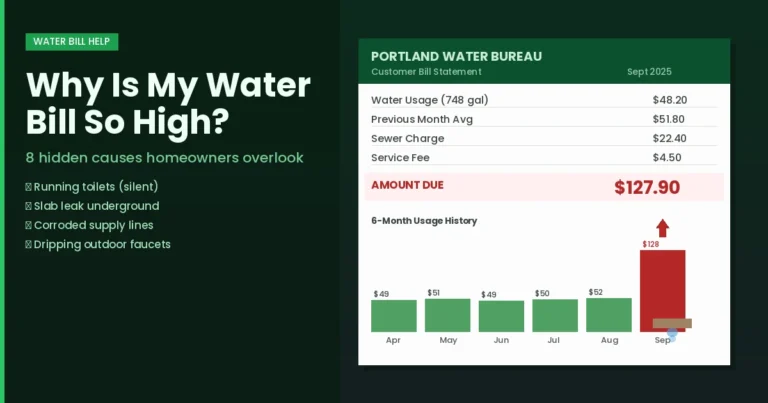
Call a leak detector first when you know there is a leak but you cannot see where it is coming from. The clearest signals that you have a hidden leak include a water bill that went up significantly with no change in your routine, a section of floor that feels warm or wet without explanation, the sound of running water when everything in the house is off, wet carpet or damp spots in the middle of a room rather than near a fixture, and cracks appearing in your floor or lower walls.
In all of these situations, the source of the leak is not obvious. A plumber arriving on that job will likely suggest opening the wall or floor to look. That means damage and repair cost before you even know what the problem is. A leak detector finds the source first without opening anything, and then you know exactly where to focus the repair.
When to Call a Plumber First
Call a plumber first when the source of the problem is visible or clearly tied to a specific fixture. A dripping faucet, a toilet that runs constantly, a pipe that burst and is spraying water, a water heater that is leaking from a visible connection — these are plumber calls. The problem is obvious, the location is known, and what needs to happen is a repair or replacement.
If you have an active flood or a pipe that has burst and is causing immediate water damage, shut off your main water supply first, then call a plumber. That is an emergency repair situation, not a detection situation.
What Happens When You Call the Wrong One First
Calling a plumber when you have a hidden leak often results in exploratory damage. The plumber cuts into the wall or floor where they think the leak might be. If they guess right, great. If they guess wrong, you now have a hole in your wall or floor and still no answer. Then they try again somewhere else. By the time the leak is found this way, you may have several open sections of wall or floor and a significant repair bill just for the detection process — before any actual pipe work begins.
Calling a leak detector when you have a visible problem wastes time. If the toilet is clearly leaking at the base, you do not need acoustic equipment to tell you that. You need a plumber with a wax ring.
The cost of calling the wrong specialist first is usually measured in time and unnecessary damage, not just the inspection fee. A hidden slab leak that is opened up in the wrong spot and then reopened in the right spot means more concrete cutting, more mess, and more labor cost on the repair side.
Do Some Companies Do Both?
Yes. Some plumbing companies have invested in leak detection equipment and trained their technicians to use it. Some leak detection companies also have licensed plumbers on staff who can perform the repair after detection. In those cases, one call covers both parts of the job.
When evaluating a company that claims to do both, ask specifically what detection equipment they use. A company that does real leak detection will be able to name the tools: acoustic correlators, thermal cameras, tracer gas equipment. A company that does visual inspection and educated guessing is not a leak detection specialist, even if they use that language in their marketing.
The Cost Question
A leak detection inspection typically costs less than the exploratory damage a plumber might cause looking for a hidden leak. The inspection cost is a known upfront number. The cost of opening walls or floors without knowing the target is unpredictable and can grow quickly.
After detection, you also have more control over the repair. You know exactly where the problem is and how big it is. You can get accurate quotes from multiple plumbers. You are not being asked to approve a repair on a pipe that has not been found yet.
Portland-Specific Considerations
Portland has a large stock of homes built between the 1940s and 1970s with original galvanized or copper plumbing. Many of those homes sit on concrete slabs. The combination of old pipes and clay soil that shifts with the wet-dry cycle of Pacific Northwest seasons means hidden leaks are common in this housing stock.
In older Portland neighborhoods, it is not unusual to have a slab leak that has been developing slowly for months before any surface sign appears. By the time the floor feels warm or the water bill spikes, the water has been moving under the foundation for a while. That is exactly the situation where calling a plumber to cut and look is the wrong first move. A leak detector with thermal imaging and acoustic equipment can find the spot non-invasively and give the plumber a precise target for the repair.
A Quick Guide to Who to Call
Call a leak detector first if your water bill went up without explanation, you hear water running when nothing is on, your floor is wet or warm with no visible source, you have damp spots on walls with no pipe nearby, or you suspect a slab leak.
Call a plumber first if you have a dripping faucet or fixture, a toilet that runs or leaks visibly, a burst pipe causing active flooding, a water heater with a visible connection leak, or any situation where the source of the water is already clear.
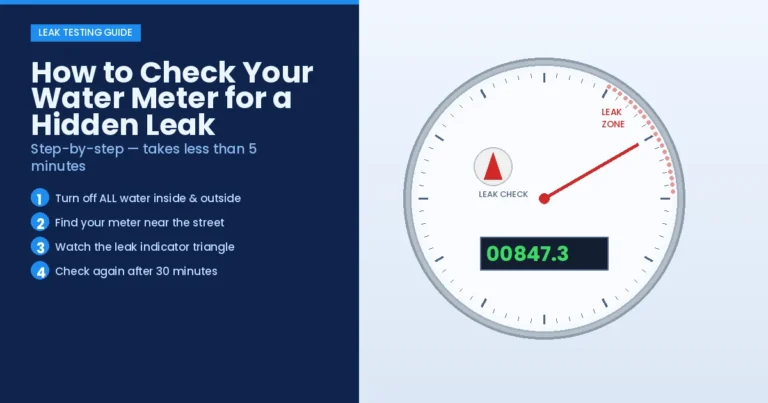
If you are not sure which category your situation falls into, the water meter test is a good starting point. Turn off all water in the house, wait 30 minutes, and check whether the meter moved. If it did, water is escaping somewhere. If the source is not visible, that is a leak detection job first.
The Short Answer
A plumber fixes pipes. A leak detector finds where the problem is. When the source of the water is obvious, call the plumber. When it is hidden, call the leak detector first. Getting the order right means less damage to your home, a faster path to repair, and a more accurate quote for the work that actually needs to be done.