Crawl Space Moisture vs Leak: How to Tell the Difference
Your Crawl Space Is Wet. Now What?
A wet crawl space is one of those problems that homeowners discover by accident. You go under the house to store something, to check on insulation, or because a contractor flagged it during a home inspection. And there it is: standing water, soggy insulation, wet wood, or visible mold.
The first question is always the same: is this a plumbing leak or is it something else? The answer matters because the fix is completely different depending on the cause. A plumbing leak needs a pipe repair. Groundwater intrusion needs drainage improvements. Condensation needs ventilation or vapor barrier work. Treating the wrong cause wastes money and leaves the real problem in place.
This guide walks through how to tell the difference between crawl space moisture vs leak, what each one looks like, and what to do next.
The Three Sources of Crawl Space Moisture
Moisture in a crawl space comes from one of three places: condensation, groundwater intrusion, or a plumbing leak. Each one has distinct characteristics once you know what to look for.
Condensation
Condensation happens when warm, humid air meets cooler surfaces. In a crawl space, this often occurs during spring and summer when outdoor air is warmer and more humid than the air under the house. When that warm air enters the crawl space through vents, it hits cooler surfaces like pipes, floor joists, and the vapor barrier and deposits moisture.
Condensation moisture tends to be spread relatively evenly throughout the crawl space. You will see it on cold surfaces, especially metal pipes and ductwork. The ground may feel damp but rarely has standing water from condensation alone. The problem is worst during warm, humid stretches and improves during cold, dry weather.
Groundwater Intrusion
Groundwater intrusion occurs when rainwater or rising groundwater enters the crawl space through the foundation walls, floor, or perimeter. This is common in Portland during heavy winter rain events or in lower-lying properties where the water table rises seasonally.
Groundwater intrusion typically shows up as water entering along the base of the foundation walls or pooling in low spots on the crawl space floor. It is usually seasonal, worst in December through February, and improves significantly when the rain stops. You may see a tide line on the foundation wall showing the highest water level reached.
Plumbing Leak
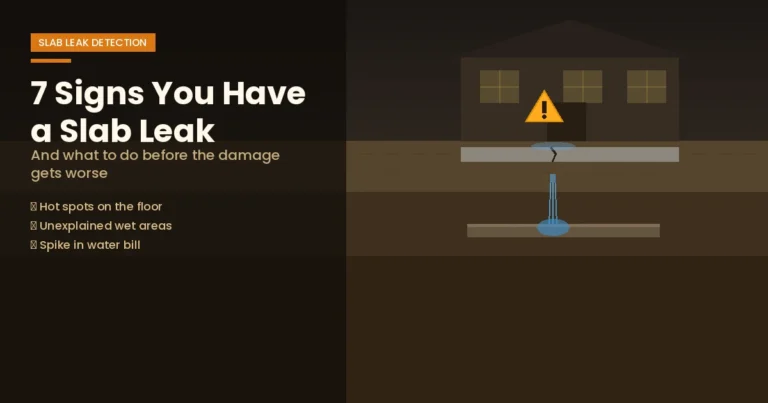
A plumbing leak in the crawl space comes from the supply lines, drain lines, or water heater connections that run through the space. Unlike condensation or groundwater, a plumbing leak is a continuous source of water that does not follow the weather. It can happen in any season.
A supply line leak under pressure produces water constantly. A drain line leak produces water whenever a fixture is used. Both will cause wet areas in the crawl space that persist regardless of season or recent rainfall.
How to Tell Which One You Have
Check the season and recent weather
If the moisture appears or gets worse during or after heavy rain and improves during dry stretches, groundwater intrusion is the more likely cause. If the moisture is consistent year-round regardless of rainfall, a plumbing leak is more likely. Condensation tends to follow temperature and humidity patterns, being worse in spring and summer when outdoor air is warm.
Look at where the water is
Water pooling along the base of foundation walls or seeping in at the wall-floor junction points to groundwater intrusion. Water dripping from pipes or pipe connections, wet spots directly below fixtures, or water pooling under a specific section of floor above points to a plumbing leak. Condensation tends to appear on surfaces rather than pooling on the ground.
Check your water meter
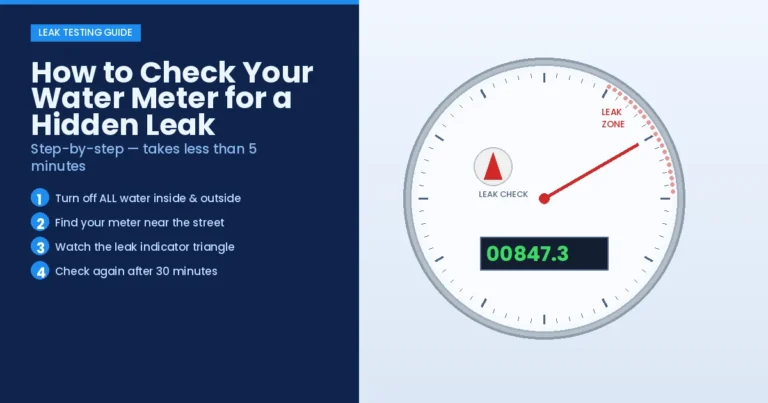
This is the fastest way to rule in or out a supply line leak. Turn off all water inside and outside the house. Go to the meter. If the leak indicator is spinning with everything off, you have a pressurized supply line leak somewhere in the system. That leak could be in the crawl space or elsewhere, but it confirms that a plumbing leak is present.
If the meter shows no movement, a supply line leak under pressure is unlikely. The moisture in the crawl space is more likely from groundwater, condensation, or a drain line that only leaks when water runs through it.
Run water and watch
If you suspect a drain line leak, have someone run water in the house, flush toilets, and run the washing machine while you observe the crawl space from a safe position. A drain line leak will show water dripping or running from the pipe only when water is being used. It will stop when water stops. That intermittent pattern confirms a drain leak rather than groundwater or condensation.
Signs That Point Clearly to a Plumbing Leak
- Water present in the crawl space during a dry summer stretch with no recent rain
- Water meter spinning with everything turned off
- A specific wet spot directly under a bathroom, kitchen, or laundry area
- Water dripping from a visible pipe connection or fitting
- Your water bill has gone up without an explanation
- You can hear running water under the floor when nothing is on
Signs That Point to Groundwater or Condensation
- Moisture worst in winter and spring, much better in summer
- Water entering along the base of foundation walls
- Tide marks on foundation walls showing seasonal water levels
- Moisture spread evenly on cold surfaces like pipes and metal ducts
- No change in water meter with everything off
- Problem gets worse after a multi-day rain event
Why Getting the Diagnosis Right Matters
Treating the wrong cause is expensive and frustrating. Installing a sump pump for what turns out to be a plumbing leak does not fix the leak. Calling a plumber for what turns out to be groundwater intrusion results in the plumber finding nothing wrong while the problem continues. The diagnostic step is not optional.
Mold is the biggest reason to get this right quickly. Crawl space mold grows on wood joists, subfloor material, and insulation. It does not stay contained to the crawl space. Mold spores move through the floor into the living space above through gaps, cracks, and HVAC systems. Crawl space mold has been linked to respiratory symptoms, allergies, and ongoing air quality problems throughout the home.
Wood rot is the other major consequence. Floor joists and subfloor material that stay damp for extended periods begin to rot. Structural rot in floor framing is a serious and costly repair that involves sistering joists or full framing replacement in severe cases. Early discovery of a crawl space moisture problem prevents this from happening.
What to Do in Each Case
If it is a plumbing leak
Call a leak detection specialist. The technician will use acoustic equipment to find the exact pipe and location of the leak before any digging or cutting is done. Once the leak is located, a plumber can make the repair at the confirmed spot. Do not attempt to dry out the crawl space until the leak is fixed, or the moisture will return as fast as you remove it.
If it is groundwater intrusion
The solution typically involves improving drainage around the foundation perimeter, improving the crawl space vapor barrier, and sometimes installing a sump pit and pump. A waterproofing contractor who specializes in crawl spaces can assess the perimeter drainage and recommend the right approach for your specific situation.
If it is condensation
Improving crawl space ventilation or encapsulating the crawl space with a sealed vapor barrier and dehumidifier can control condensation. In some Portland homes, converting from a vented to an encapsulated crawl space is the most effective long-term solution because it prevents humid outdoor air from entering the space in the first place.
The Portland Crawl Space Factor
Portland has a lot of homes with crawl space foundations. The region is wet enough that crawl spaces require active management. A perfectly fine crawl space in a dry climate becomes a moisture problem in Portland without a good vapor barrier, proper drainage, and either adequate ventilation or full encapsulation.
The age factor also matters. Homes built before 1980 often have inadequate vapor barriers, original venting that does not meet modern standards, and aging plumbing that runs through the crawl space. In these homes, a wet crawl space often involves more than one contributing factor at once: some groundwater, some condensation, and sometimes a small plumbing drip that has gone unnoticed for years.
A professional inspection that addresses all three possible sources, rather than assuming one cause and treating only that, is the most effective approach in older Portland homes with a crawl space moisture problem. Start with the meter check to rule in or out a supply leak, then look at the seasonal pattern, and then bring in the right specialist for whatever the evidence points to.